-
Home
-
About Wood Products & Technology
- Exhibitors
-
Activities
-
Plan your visit
-
For exhibitors
- Tickets
-
One log per second shows where sawmills are heading
NEW TECHNOLOGY | A sawmill currently being built in Kalix shows just how quickly the wood industry is changing. The future of production is no longer just about capacity, but about precision, data, automation and the ability to extract more value from every log.
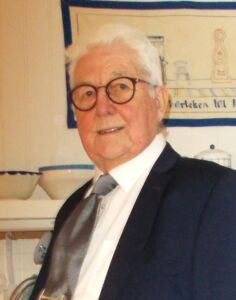
Behind the investment are Stockhult Rolfs Timber and the Finnish machinery manufacturer HewSaw. When the facility enters operation, the goal is to handle up to 60 logs per minute. That is the equivalent of one log every second.
“I have never heard of anyone even having that as a target before. But now we know we will be able to achieve it,” says Lennart Wilhelmsson, project manager for the investment.
The project began after the fire in 2024 that destroyed large parts of the previous facility. When operations were to be rebuilt, the company chose to take a major technological step forward at the same time.
The result will be a specialised facility for small-diameter timber, meaning slender logs used, among other things, in the furniture industry. Since each log contains less volume than traditional saw timber, the flow becomes critical. To create profitability, speed, precision and a high raw material yield are all required.
“To make this type of raw material economically viable, you need very high flows and an extremely efficient process,” says Lennart Wilhelmsson.
Each log is individually optimised
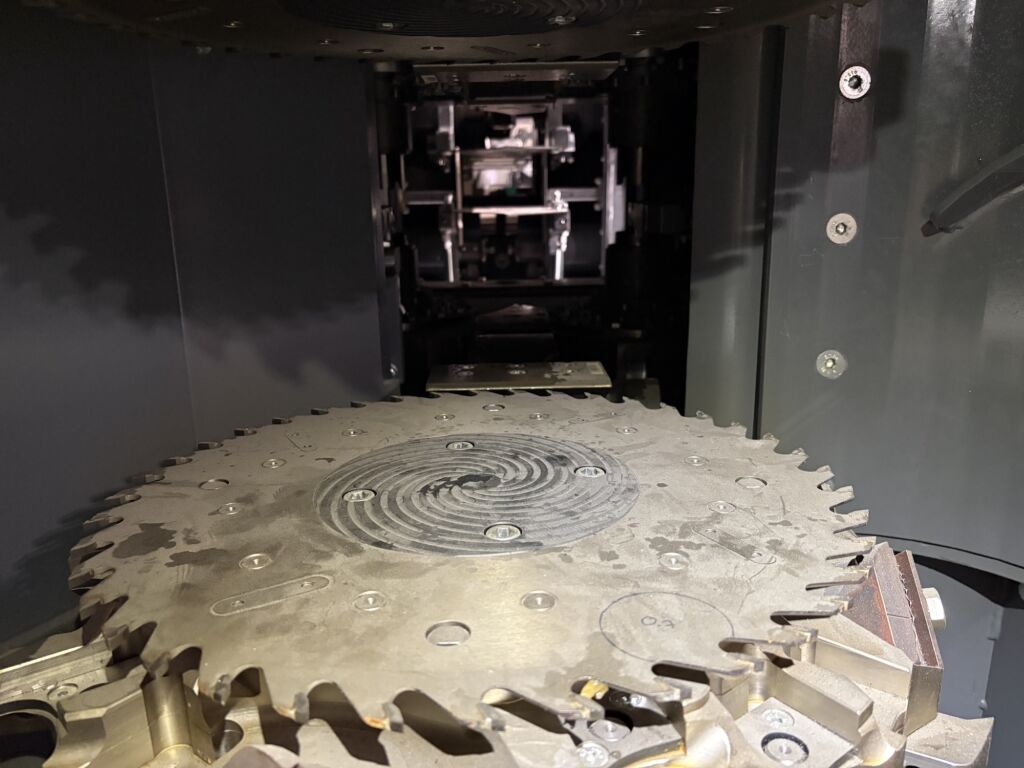
At the heart of the new facility is HewSaw’s optimisation system. Before a log reaches the saw, it is scanned by laser and built up as a three-dimensional model. The system analyses its shape and dimensions and calculates how the log should be sawn to generate the highest possible value.
“We create a 3D image of each log and compare it against all the products to be produced. The log is then automatically rotated into the optimal position before continuing through the saw,” says Rasmus Jakobsson, project manager at HewSaw.
The technology makes it possible to follow the log’s natural shape through the process. This increases yield, reduces waste and enables more efficient use of the raw material.
For a modern sawmill, small improvements can have a major impact. An adjustment of just a few millimetres can make a significant difference when repeated across large volumes.
“If you can reduce the dimensions by just a millimetre or so, it adds up to a great deal of money over the course of a year,” says Rasmus Jakobsson.
Speed, precision and raw material efficiency
Development in the sawmill industry has moved quickly. When Lennart Wilhelmsson built his first sawmill in the 1970s, the maximum speed was around 35 metres per minute. The new facility in Kalix is designed for speeds of up to 250 metres per minute.
“That is almost an eightfold increase compared with then,” he says.
Behind this development are many years of technological progress in automation, control systems, hydraulics, sensors and optimisation software. For the industry, this means not only faster production, but also new opportunities to control, measure and improve every part of the process.
“Technology is advancing all the time. We invest heavily in development and constantly test new solutions,” says Rasmus Jakobsson.
New skills requirements in production
As sawmills become more automated, the skills required are also changing. In the past, much of the work was based on practical experience of wood, machinery and materials. That knowledge is still important, but it is increasingly being complemented by data analysis, process control and systems understanding.
“You no longer stand and work in production in the same way. Instead, you analyse the results from the machines and adjust the processes to get maximum performance,” says Lennart Wilhelmsson.
For those working in wood processing, process optimisation is becoming an increasingly important part of everyday operations. It is about understanding the entire flow, seeing connections and making the right decisions based on the data generated by production.
“You need to understand how the entire flow works and why things happen. That is where a lot of the value is created today,” says Rasmus Jakobsson.
The next step is more self-learning production
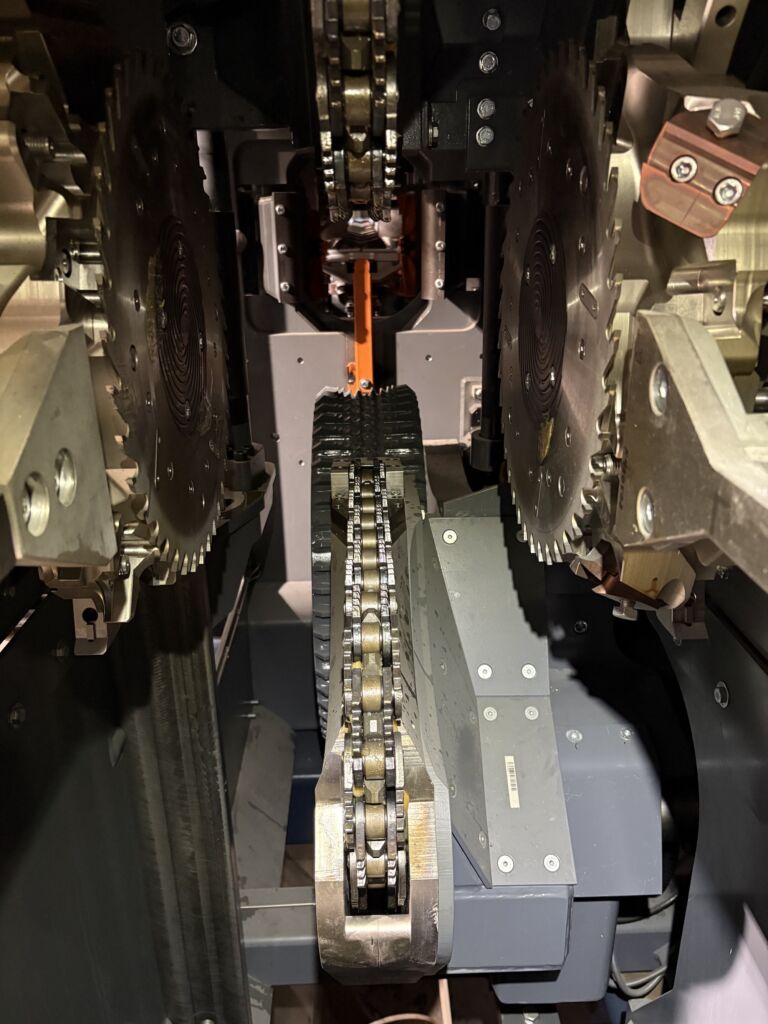 The technological shift is not complete. According to Lennart Wilhelmsson, the sawmills of the future will increasingly use AI, cameras, measurement technology and advanced sensor technology to monitor and control production.
The goal is for systems themselves to be able to detect deviations in the material flow and correct the process without manual intervention.
“In the past, a person sat and monitored the timber intake. In the future, that will be able to happen fully automatically,” he says.
For the sawmill industry, this development is not only about producing more. The greatest gain lies in extracting more value from every log, reducing resource consumption and creating more competitive production.
“Those who can produce with higher precision and lower costs gain an advantage. That is why technological development is driving the entire industry forward,” concludes Lennart Wilhelmsson.
Follow the development at Wood Products & Technology
Across the Nordic region, sawmills and wood processing companies are investing in new technology to increase yield, reduce waste and strengthen profitability. Automation, sensors, AI and data-driven optimisation are becoming an increasingly important part of a modern and resource-efficient wood industry.
At Wood Products & Technology 2026, the industry will gather to discuss the next steps in production, digitalisation and wood processing. Here, you will meet the people, solutions and perspectives that show where the wood industry is heading.
About Wood Products & Technology
Wood Products & Technology is the Nordic region’s largest meeting place for the wood industry. Here, the entire value chain gathers — from sawmills and production to architecture and urban development — to share knowledge, discover new technology and do business. The focus is on innovation, sustainability and the future of wood construction. Register for your free entry ticket »